
Psychic Telephone · 13
Phoenix

It was through a process of her own spiritual evolution and searching as an African American that Phoenix first encountered Yoruba culture. It started as a kid in Michigan, inquiring among her non-religious parents, What did Black people know before they knew Jesus? And they didn’t know. And she thought, I’m going to figure it out. That led her to trying to understand some other source of spiritual engagement besides Christianity. One thing led to another, and at some point she found a community in Nashville who were practitioners of the Yoruba religion. She had moved there right after getting her medical anthropology degree and began learning more and more about it. And maybe ten years after that first encounter, after she had gotten a master’s in fine arts—she has a few graduate degrees—she got a Fulbright to go live in Nigeria among the Yoruba people.
She did that for a year, because she was doing metal casting. She was making heads, little heads. And she went there to study the lost wax tradition of metal casting. So when she was in Nigeria, a man approached her—or approached the guy she was dating—and basically he wanted to know if she would be a chief in his compound. In the city of Ile-Ife, she says, there are two hundred and one deities, and there are two hundred and one of these compounds, of people who are venerating these various deities—the one being basically infinite, referencing the ever expanding of something that does not end.
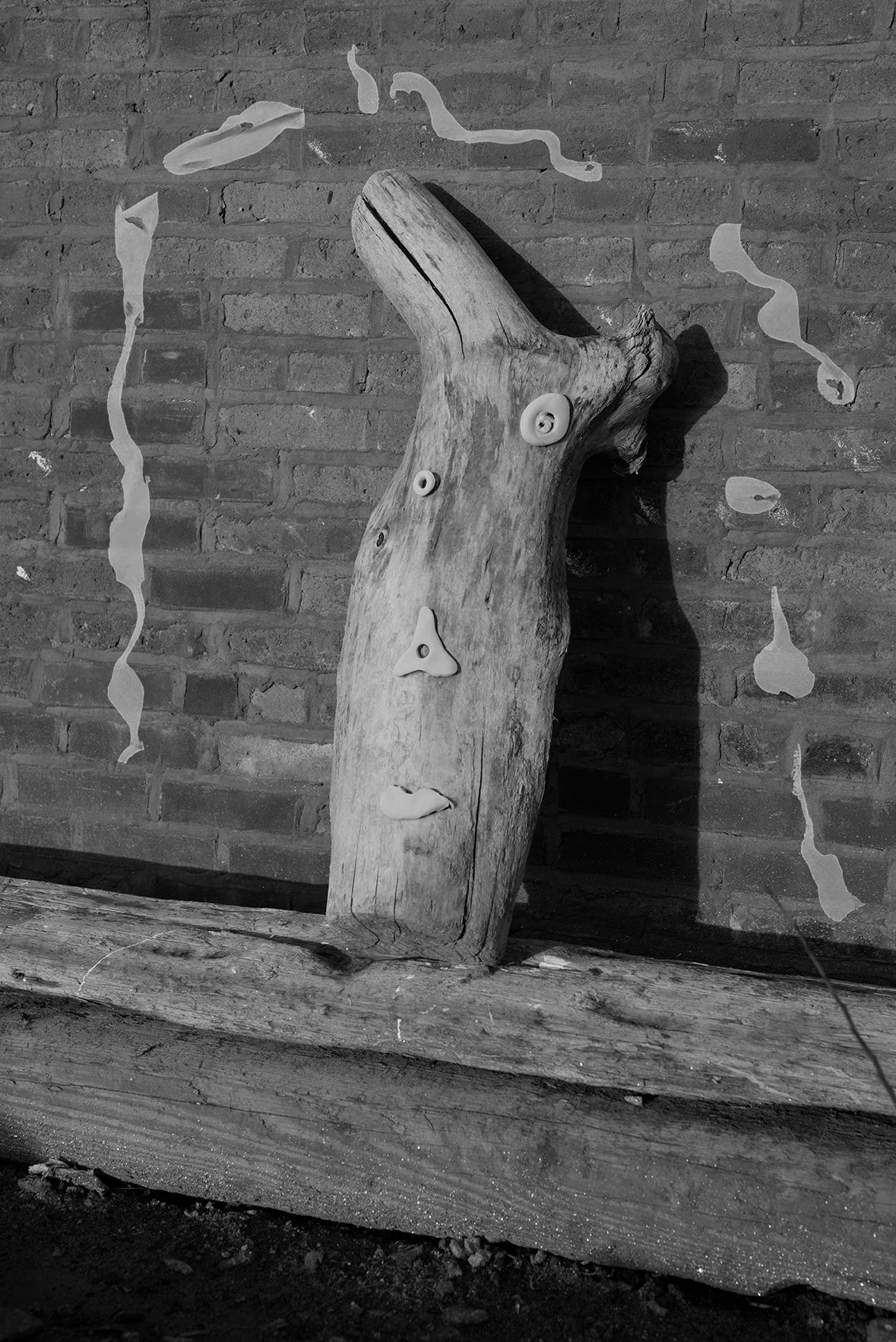
And some of the compounds are dormant. Some people have turned to Christianity and the compound is just there. But this particular compound, which is for Osara, is actually very active, and they have a festival every year that marks the new year in their calendar system. And the man said he had seen Phoenix at the traditional gatherings and liked how she comported herself. It had to do with, Osara was a woman of your stature. But Osara had a lot of kids, and Phoenix doesn’t have any kids at all. At the time, though, she accepted that as the reason. Then some years later her chief said he asked her because basically Osara told him this is who she was to be.
At first she was like, Oh, I don’t know. Admittedly she had no knowledge of Osara. Most people in the West know a very limited number of Yoruba deities, those being the ones that came in the transatlantic slave trade. If they didn’t cross the waters, most of us don’t know them. But she was turning fifty that year, and she just felt like, you’re supposed to do something special on that occasion. And she thought, What have I not done? I have not been a chief in Africa before. It all just made sense. And she has to say, out of vanity she asked, Does it come with a big party? And he was like, Yeah, it’s a coronation. It’s a big deal. So she said, Then let’s do it. And beyond the fact of wanting a birthday party, she has taken it very seriously—to understand Osara, to get to know her.
But in her first ten years as a chief, other than doing things at the festival when she could attend, Phoenix never really felt quite that she was in service to Osara. Then when Osara informed her that she was going to do psychic work, she called her chief back in Nigeria to ask if he had any awareness of Osara being a psychic. And he was like, Oh my God yes! Wow! This is nice! He said Osara was a very, very powerful psychic in her time, and did a lot of good with her psychic abilities. He said that she’d cure people. And Phoenix was like, So I didn’t imagine that? And he said, No, if she said it, she said it. He said, She will be with you, don’t worry. So then she was like, This is how I’ll be in service to Osara. And now she’s actually finding herself deeply in service to her.